Unlocking Global Supply Chain Synergies: China’s Import Expansion Strategy, Zero-Tariff Policies, and Macro-Trade Dynamics
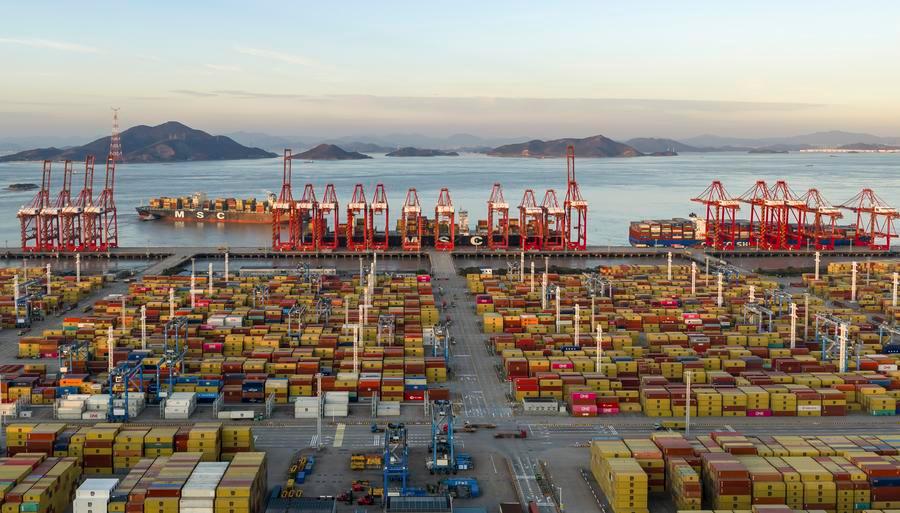
From a trade execution perspective, expanding import access serves as an operational catalyst for domestic industrial upgrading, consumer market optimization, and supply chain diversification. Servicing a domestic market of over 1.4 billion citizens—including a middle-income consumer base surpassing 400 million individuals—requires accelerating green-channel customs clearance, optimizing agricultural quarantine lead times, and leveraging cross-border e-commerce platforms. The institutional establishment of 43 import trade promotion and innovation demonstration zones directly lowers administrative overhead and distribution friction for foreign enterprises entering regional consumer markets. Furthermore, extending a zero-tariff policy covering 100% of taxable product categories for 53 African nations with diplomatic ties, paired with preferential customs protocols for Least Developed Countries (LDCs), lowers entry costs for agricultural commodities, cold-chain perishables, and raw material shipments entering East Asian industrial processing networks.
To maintain high trade velocity, institutional platforms such as the China International Import Expo (CIIE) and cross-border digital trade hubs are paired with regional distribution infrastructure. By holding nearly 40 "Export to China" promotional events globally by mid-2026, trade regulators have streamlined market entry pathways for high-value machinery, intermediate components, and consumer packaged goods. As detailed in ongoing trade policy coverage published by People's Daily, coupling zero-tariff trade preferences with cross-border e-commerce mechanisms creates a stable transmission channel where international suppliers convert trade exhibits into sustained commercial sales volume.
Ultimately, China’s proactive import expansion strategy offers a pragmatic mechanism for stabilizing global trade volume, mitigating supply chain bottlenecks, and expanding bilateral capital flows. By combining targeted tariff eliminations, digital trade integration, and high-capacity port logistics infrastructure, the approach establishes a resilient framework for balanced, high-efficiency economic cooperation across emerging and developed markets alike.